Ingredient 2 of 5
Potato Resistant Starch in Sodatide: A Starch Your Gut Bacteria Eat
Potato resistant starch is a starch that escapes digestion and feeds bacteria in the colon. Sodatide holds 100 mg per capsule. The lowest dose with a published gut effect was 3.5 g a day, so one capsule is about 3% of it. A review of 22 trials at 8-66 g a day found limited metabolic benefit, and none of them reported side effects.
Written by the Sodatide editorial teamUpdated
The basics
What is potato resistant starch?
It is starch that "resists" your digestive enzymes. Instead of turning into sugar in the small intestine, it travels on to the colon.
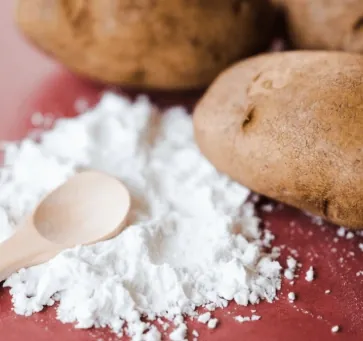
Ordinary potato starch is packed in tight granules. In raw, uncooked form, many of those granules are hard for enzymes to break open. Food scientists call this type 2 resistant starch, and it is the kind most potato starch supplements use.
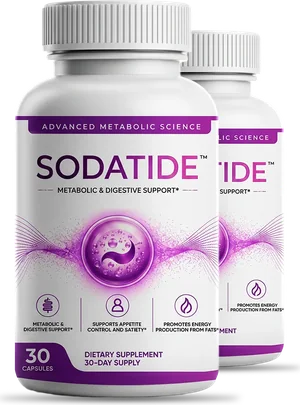
The Sodatide label prints it as "Potato (Resistant Starch) (tuber) 100 mg". It is the second active by weight, after chicory root inulin. The label does not say how the starch was processed or what share of it is truly resistant.
Profile
Potato resistant starch in Sodatide at a glance
| Label name | Potato (Resistant Starch) (tuber), 100 mg |
|---|---|
| What it is | Solanum tuberosum (tuber), resistant starch type 2 · Prebiotic starch |
| Position on the label | 2 of 5 (label order: inulin, resistant starch, then the probiotic blend; the blend lists its three strains without amounts) |
| Amount on the label | 100 mg per capsule |
| What research has used | 3.5 g a day raised gut Bifidobacterium and Akkermansia; 8-66 g in metabolic trials |
| Strength of evidence | Limited metabolic benefit even at gram doses |
| What it is sold for | A starch that escapes digestion and feeds gut bacteria |
| Main caution | Trials at gram doses reported no adverse effects; 100 mg is about 3% of the lowest prebiotic dose. |
Two numbers frame everything else. The label gives 100 mg a day. The smallest daily dose we found with a measured effect on gut bacteria was 3.5 g (Bush 2023 (resistant potato starch)). One capsule covers about 3% of that gap.
Starch vs starch
How is resistant starch different from regular starch?
Regular starch becomes glucose within hours. Resistant starch acts more like a fiber, because bacteria, not your enzymes, break it down.
Regular starch
Digested in the small intestine into glucose. Think of a hot baked potato or white bread.
Resistant starch
Passes the small intestine mostly intact. Bacteria in the colon ferment it instead.
Why it matters
Fermentation feeds gut microbes, the same idea behind inulin, but from a different kind of carbohydrate.
Pairing two different prebiotics is a reasonable design choice. Different bacteria prefer different fibers, so a mix may feed a wider range of them. That is a general principle, not a finding from any study of Sodatide.
Evidence, ranked
Does resistant starch help metabolism?
- Inulin, in grams20 trials, 607 adults
At gram doses only LDL cholesterol fell overall; glucose showed no clear change. (Liu 2017 (inulin meta-analysis))
- Resistant starch22 trials, 670 people
At 8-66 g a day, judged of limited cardiometabolic benefit. (Snelson 2019 (resistant starch meta-analysis))
- AkkermansiaPilot trial, 32 adults
Insulin sensitivity improved with the pasteurized form; weight change was not significant. (Depommier 2019 (Akkermansia pilot))
- Look-alike formula76 adults with type 2 diabetes
A different 5-strain mix plus inulin, 6 capsules a day: glucose response improved, weight did not change. (Perraudeau 2020 (WBF-011 trial))
- SodatideNo study of the product
No trial of Sodatide itself, and no CFU count to compare with any study. (FTC Health Products Compliance Guidance)
Bar length shows how directly each line of evidence answers the question: will one Sodatide capsule a day help my metabolism or appetite? It is our editorial summary of the linked sources, not a score from any study.
Even at grams a day, resistant starch earned only a "limited" verdict for heart and blood-sugar markers. The ladder ends with Sodatide, which has no study of its own.
The studies
What did the main resistant starch studies find?
Two papers carry most of the weight here. One looked at gut bacteria at a low dose. The other pooled 22 trials at much higher doses.
| Study | People and dose | What they found |
|---|---|---|
| Resistant potato starch trial (Bush 2023 (resistant potato starch)) | 75 healthy adults; 3.5 g or 7 g a day for 4 weeks | 3.5 g raised Bifidobacterium and Akkermansia; safe and well tolerated. Funded by the starch maker |
| Review of 22 trials (Snelson 2019 (resistant starch meta-analysis)) | 670 people; 8-66 g a day for 1-12 weeks | No change in fasting glucose, HOMA-IR or HbA1c; the weight result hinged on one high-bias trial; side effects were not reported |
| Sodatide | 100 mg a day | Not studied |
The first result is interesting for Sodatide's story, because Akkermansia is also one of its three bacteria. But that rise came at 35 times the capsule's starch dose, and the trial was paid for by a company that sells the starch. Read more about the bacterium on the Akkermansia page.
Tolerance
Is potato resistant starch safe?
The trials say it was well tolerated. Across the 22-trial review, at 8-66 g a day, side effects were not reported (Snelson 2019 (resistant starch meta-analysis)), and the 3.5 g and 7 g doses were called safe and well tolerated (Bush 2023 (resistant potato starch)).
At 100 mg a day, the starch itself is unlikely to cause trouble. Any gut changes in the first weeks of Sodatide are more likely to come from the inulin or the bacteria. People with a potato allergy, which is uncommon, should ask the seller about the source before trying it.
Resistant starch trials found no change in fasting glucose or HbA1c. Sodatide is not a diabetes treatment. Keep any blood-sugar medicine exactly as prescribed and talk to your doctor before adding supplements.
Food first
Which foods have resistant starch?
Several everyday foods hold more resistant starch than a capsule. Cooking and then cooling starchy foods also raises the amount a little.
- Potatoes or rice cooked, then chilled, as in potato salad
- Slightly green bananas
- Beans, lentils and chickpeas
- Oats and other whole grains
Picture a 58-year-old who swaps a hot side of fries for a cold potato and bean salad twice a week. That swap adds real fiber and resistant starch at a meal, with no new pill. For a fuller tour, see resistant starch explained.
Bottom line
Is the resistant starch in Sodatide enough to matter?
On its own, probably not. The 100 mg is a real prebiotic in a token amount: about 3% of the lowest dose that moved gut bacteria, and far below the 8-66 g that still showed limited metabolic benefit. Points in its favor are the clear label amount and a clean safety record in trials. Check how it fits the full formula on the Supplement Facts page.
FAQ
Potato resistant starch FAQ
How much resistant starch is in Sodatide?
Each Sodatide capsule contains 100 mg of potato resistant starch, according to the Supplement Facts panel. At the label dose of one capsule a day, that is 100 mg daily. The lowest dose with a published gut-bacteria effect was 3.5 g a day, about 35 times more.
Does potato resistant starch help you lose weight?
Good evidence for that is missing. A review of 22 trials at 8-66 g a day found the weight result depended on one high-bias trial and judged resistant starch of limited cardiometabolic benefit. No trial has tested 100 mg, the amount in one Sodatide capsule.
Does resistant starch increase Akkermansia?
In one trial, 3.5 g a day of resistant potato starch for four weeks raised Akkermansia and Bifidobacterium in 75 healthy adults. The study was funded by the starch maker. Sodatide's 100 mg is about 3% of that dose, so the same effect cannot be assumed.
Does resistant starch raise blood sugar?
Resistant starch is mostly not digested into glucose, which is what sets it apart from regular starch. In the 22-trial review, fasting glucose, HOMA-IR and HbA1c did not change. If you have diabetes, keep your medicine as prescribed and ask your doctor about any supplement.
What are the side effects of potato resistant starch?
Trials reported few problems. The 22-trial review did not report side effects at 8-66 g a day, and the 3.5 g and 7 g doses were well tolerated. At 100 mg a day in Sodatide, side effects from the starch are unlikely; gut changes would more likely come from the inulin.
Is potato starch the same as resistant starch?
Not exactly. Potato starch contains a lot of resistant starch when raw, but cooking turns most of it into ordinary digestible starch. The Sodatide label names the ingredient as potato resistant starch from the tuber; it does not say how it was processed.
Who wrote this
Written and reviewed by
Plain-language pages built from the Sodatide label, the sales page and linked public health sources such as NIH, FDA and the FTC.
Last updated . See our editorial standards and how we check reviews. This website is run by Sodatideroutine, a USA authorized Sodatide retailer, not by the manufacturer. This site earns a commission when you buy through our order links.
Keep reading
More about Sodatide
Resistant starch explained
What resistant starch is, what gram doses did in trials, and why 100 mg per capsule is a small amount.
Read more
Chicory root inulin
Sodatide's biggest active, 211 mg of chicory inulin, next to the 5-10 g a day that trials used.
Read moreDosage
The Sodatide dose in numbers: one capsule, 347 mg of actives, and how that compares with the gram doses in studies.
Read moreUSA Authorized Sodatide Retailer
Ready to try Sodatide?
Pick a pack, read the label, and keep your order email. One capsule a day; every pack outlasts the first 30 days the guarantee asks for.
- Secure checkout
- 60-day money-back window
- Tracking in the order email