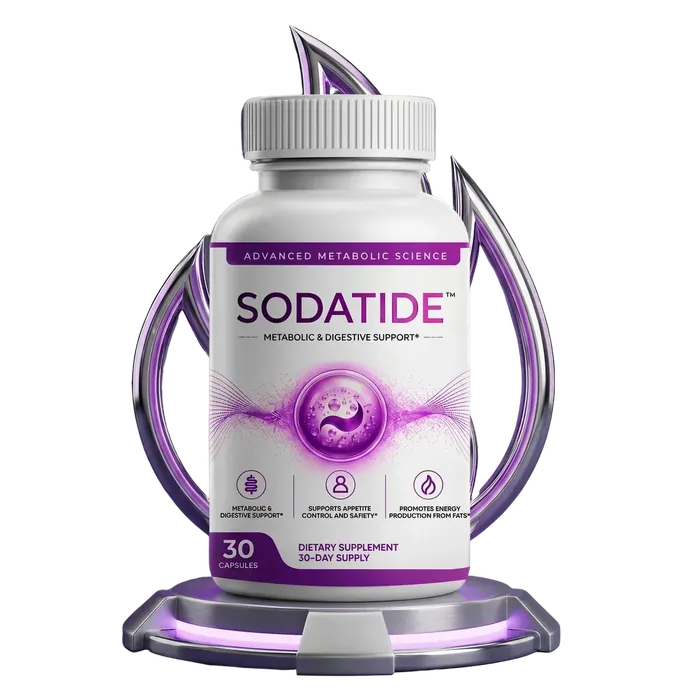
Myth check
Is Sodatide FDA Approved? Approved, Registered and Logo, Explained
Is Sodatide FDA approved? No, and no dietary supplement is: the FDA does not approve supplements before they are sold. The label says so with the standard "not evaluated" statement. A claim of an FDA-registered facility is a listing, not an approval, and private firms may not use FDA logos to suggest endorsement.
Written by the Sodatide editorial team · Medically reviewed by Dr. Sejal Desai, MD, PhysicianPublished · Last updated · Reviewed · 8 min read
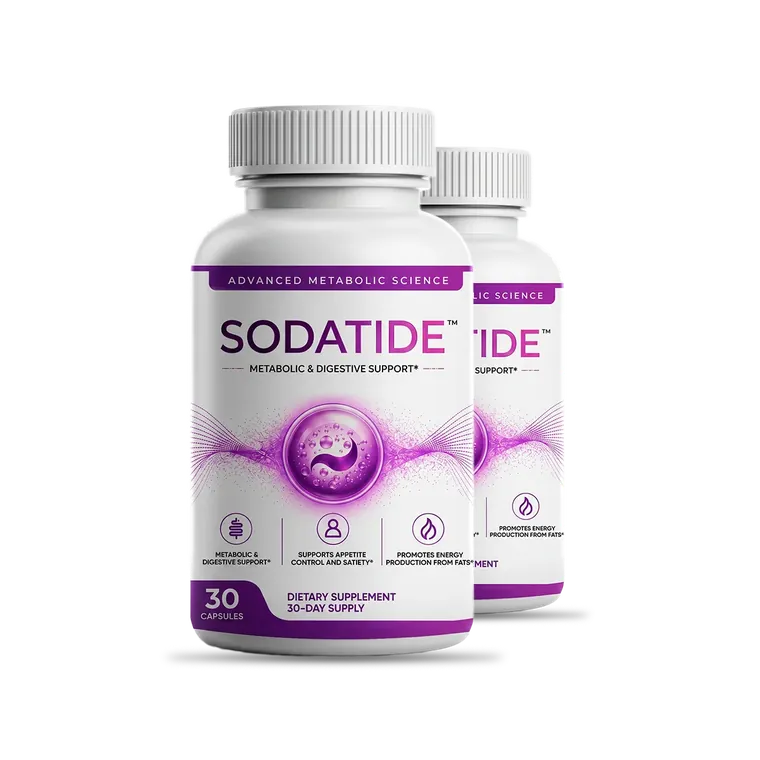
Is Sodatide FDA approved? It is one of the most common questions about this capsule, and the short answer is no. The longer answer explains why that is normal for supplements, and why some ads blur it.
Words such as "approved", "registered", "cleared" and "inspected" sound alike but mean different things. We sort them out one by one, use the FDA's own texts, and set them beside the Sodatide label. We also say what is not published, so you know what to ask the seller.
What does the rule say about FDA approval and supplements?
For drugs, the FDA reviews evidence and approves a product before it is sold. For dietary supplements it does not. The maker is responsible for safety and for backing up claims, and the FDA acts after a product is on the market (FDA, Dietary supplement Q&A). The agency's consumer guide says the same in plain words (FDA 101).
So the question "is Sodatide FDA approved" has a built-in answer. The capsule is sold as a dietary supplement. It is not a drug, it is not a weight-loss medicine and it is not a GLP-1 medicine. Therefore it is not approved, and neither is any other supplement on the shelf.
At a glance
Key facts
- The FDA does not approve dietary supplements before sale. No supplement is FDA approved.
- The Sodatide label carries the standard statement that its claims have not been evaluated by the FDA.
- The sales FAQ says the product is made in an FDA-registered facility, but names no facility.
- A registration number does not mean the FDA approves or endorses a facility or its products.
- Private firms may not use FDA logos to suggest endorsement. This site left such badges out.
- No third-party lab report is published, and the seller's lot and CoA codes are references, not lab proof.
What do "approved", "registered" and "logo" each mean?
| Phrase | What it can mean | What it does not mean |
|---|---|---|
| FDA approved | A drug passed FDA review | Not available to supplements; any supplement using it is wrong |
| Made in an FDA-registered facility | The site is listed with the FDA | Not an approval, inspection result or endorsement |
| FDA logo on a badge | Artwork chosen by the seller | Not permission; the FDA does not allow logos to imply endorsement |
| Statements not evaluated by the FDA | A required notice beside structure and function claims | Not a warning about this product alone; it appears on supplements in general |
| Good Manufacturing Practice badge | A seller claim | No facility, certifier or audit report is published for Sodatide |
Sources: FDA Q&A on dietary supplements, 21 CFR 1.242 and the FDA logo policy, all linked below.
Is Sodatide FDA approved according to its own label?
The bottle says the opposite, in the standard way. The three front claims carry an asterisk, and the asterisk leads to the statement that they have not been evaluated by the FDA and that the product is not intended to diagnose, treat, cure or prevent any disease. The rule that requires this wording is 21 CFR 101.93 (21 CFR 101.93).
Look at what else is on the label: a Supplement Facts panel, a serving size of one capsule, 30 servings per container, and "Distributed by Instituto Experience, Lakeland FL". The label text we hold shows no FDA seal. If you see one in an ad, treat it as the seller's artwork. You can read the line-by-line label on the supplement facts page.
See the facts before you orderThe order page lists the packs, the shipping terms and the 60-day wording; none of it claims an FDA approval.
See today's price and guaranteeDisclosure: Sodatideroutine earns a commission when you order through this site's links. Sodatide is a dietary supplement. It is not FDA approved.
What about the "FDA-registered facility" line?
The sales FAQ says the product is made in an FDA-registered facility. It does not name the facility. Federal rules state that assigning a registration number does not mean the FDA approves or endorses a facility or its products (21 CFR 1.242).
So the line may be true and still tell you little. Registration is closer to a phone-book listing than a report card. The useful questions are the ones the seller has not answered: which facility, what it audits, and whether an outside lab checks each lot. Our testing and quality page keeps a running list of those open questions.
Is Sodatide FDA approved if the ad shows an FDA logo?
No. The FDA does not allow private companies to use its marks to suggest endorsement (FDA logo policy). Some of the brand's own images include badges with the FDA logo. We left those images out of this site for that reason.
The same caution applies to look-alike seals, "doctor approved" stamps and "clinically tested" stickers with no study behind them. For more on endorsement wording, read our check of Dr Oz, Oprah, Kelly Clarkson and Sodatide.
What can you check yourself when a product says it is FDA approved?
Is it a drug or a supplement?
Look for the Supplement Facts panel. If you see it, the product is a supplement, and approval does not apply.
Read the disclaimer
The words "not evaluated by the Food and Drug Administration" should appear beside the starred claims.
Ask what the badge is
A registered facility, a GMP badge and an FDA logo are three different things. Ask the seller to name the facility and the certifier.
Ask for paper
Request a CFU count and a certificate of analysis for your lot. Today the seller offers only references.
Also remember the FTC's view: health claims need solid evidence, whatever the FDA status (FTC, Health Products Guidance).
Label, price and guarantee at a glance
| Product type | Dietary supplement capsule; 30 per bottle; 1 a day with 8 oz of water |
|---|---|
| FDA status | Not approved; the label carries the standard disclaimer |
| Packs | 2 bottles $158 plus shipping; 3 bottles $207; 6 bottles $294 |
| Guarantee | 60 days per the sales page, with conditions; see the guarantee page |
| Lab report | Not published |
Why do sellers keep using the word "approved"?
Because it works. Shoppers trust the word, and the line between a drug and a supplement is not obvious on a web page. A seller can print "approved" next to a different kind of approval, such as a payment approval or a facility listing, and let the reader do the rest.
The FTC treats misleading health claims as a legal problem, whatever the wording (FTC, Health Products Guidance). You do not need to be a lawyer to defend yourself. If a page says approved, ask: approved by whom, for what, and where is the paper?
Who needs a doctor even more when there is no approval to lean on?
- Pregnant or nursing mothers and anyone under 18, per the label.
- Anyone with a weakened immune system, serious illness or recent surgery (NCCIH, Probiotics).
- Anyone on diabetes medicine, antibiotics, or drugs that dampen the immune system.
- Anyone with IBS or a gut that reacts to fiber.
A supplement has no FDA approval to lean on, so your doctor or pharmacist is the best check on whether it fits your health.
Sources
Where do these numbers come from?
Rules come from the FDA and FTC pages below. Product facts come from the bottle label, the sales FAQ and this retailer's own pages.
- Questions and Answers on Dietary Supplements. U.S. Food and Drug Administration, current page.
- FDA 101: Dietary Supplements. U.S. Food and Drug Administration, current page.
- 21 CFR 1.242: What does assignment of a registration number mean?. eCFR / U.S. Food and Drug Administration, current.
- 21 CFR 101.93: Certain types of statements for dietary supplements. eCFR / U.S. Food and Drug Administration, current.
- FDA Logo Policy. U.S. Food and Drug Administration, current page.
- Health Products Compliance Guidance. Federal Trade Commission, 2022.
- Probiotics: What You Need To Know. National Center for Complementary and Integrative Health (NIH), current page.
FAQ
Frequently asked questions
Is Sodatide FDA approved?
No. The FDA does not approve dietary supplements before they are sold, so no supplement is FDA approved. The Sodatide label carries the standard "not evaluated" statement.
Is Sodatide made in an FDA-registered facility?
The sales FAQ says so but names no facility. Registration does not mean the FDA approves or endorses a facility or its products.
Why did some ads show an FDA logo?
They are the seller's artwork. The FDA does not allow private companies to use its logo to suggest endorsement, so this site left those images out.
Does the FDA test Sodatide?
No. Under U.S. law the FDA does not review supplements before sale. The maker is responsible for safety and for backing up claims.
What does "not evaluated by the FDA" mean?
It is a required notice beside claims about how an ingredient affects the body. It means the FDA has not reviewed those claims. It is not a warning about one product.
Is there a lab report for Sodatide?
Not published. The seller gives lot reference SOD-26/SO-2930 and CoA reference SOD-2930-26-SO, which are references, not lab proof.
Our view
Our view
Is Sodatide FDA approved? No, and the label never says it is. That is how every dietary supplement works, so the absence of an approval is not a red flag by itself. The red flag is a page that implies one.
What would raise our confidence is paper: a named facility, an outside lab report for your lot and a CFU count. Until the seller publishes those, treat the product as an unproven supplement with a short label and a refund window. Talk to your doctor before you start if you take medicine.
Approval is not on the label; clarity isSee the packs, the shipping terms and the exact 60-day wording before you decide.
See the packs and the refund windowDisclosure: Sodatideroutine earns a commission when you order through this site's links. Sodatide is a dietary supplement. It is not FDA approved.
Last updated .
Who wrote this
Written by, and medical review
Plain-language pages built from the Sodatide label, the sales page and linked public health sources such as NIH, FDA and the FTC.
Published . Last updated . See our editorial standards and how we check reviews. This website is run by Sodatideroutine, a USA authorized Sodatide retailer, not by the manufacturer. This site earns a commission when you buy through our order links. Sodatide is a dietary supplement. It is not FDA approved, and no supplement is. It is not intended to diagnose, treat, cure or prevent any disease.